The opportunity.
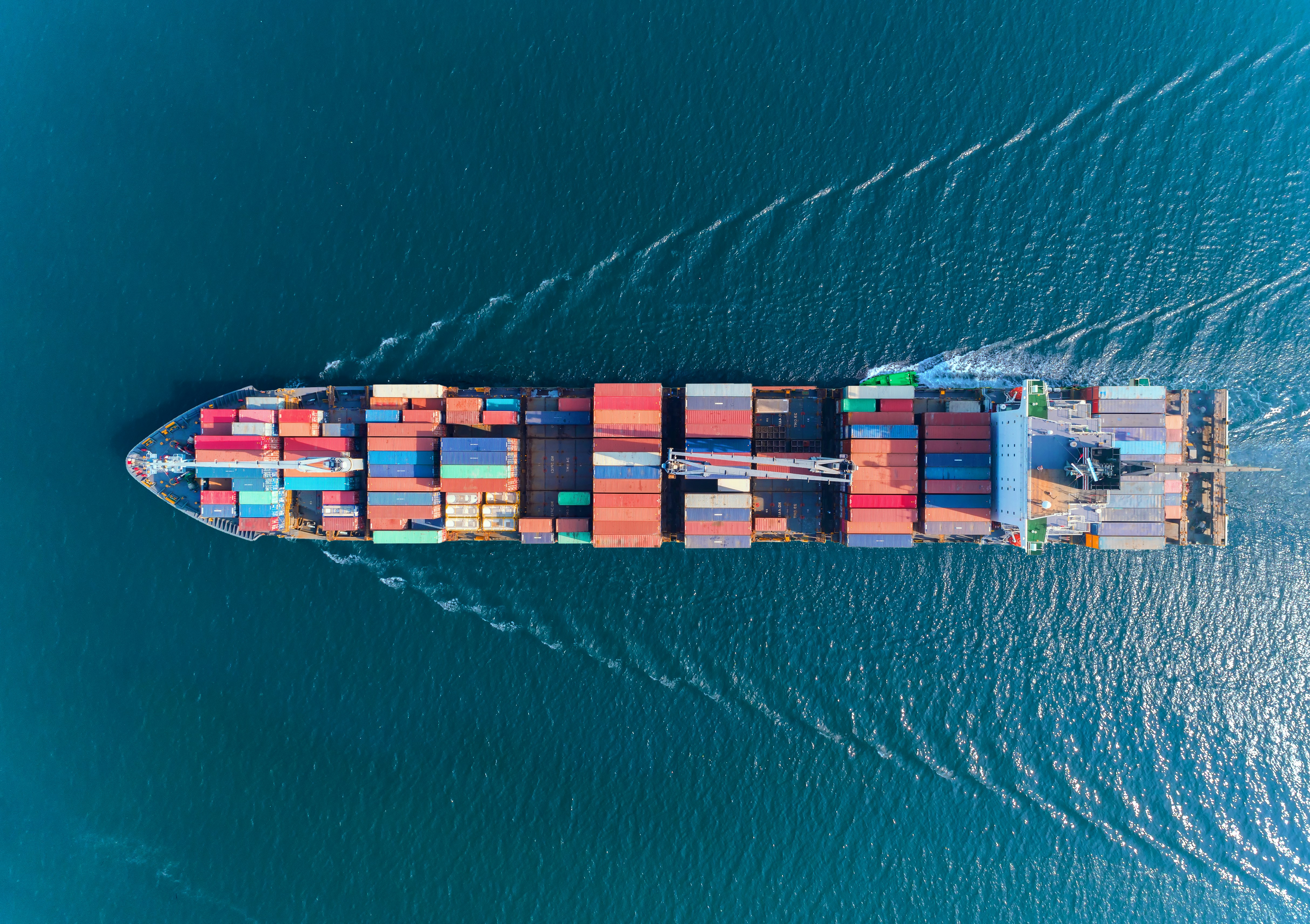
The maritime domain is where many states are most exposed. Coastal states face compounding threats in their waters through drug, weapon and human trafficking; illegal, unreported, and unregulated fishing that strips national resources; piracy; sanctions and fee evasion through ports; and risks to the offshore energy infrastructure that their economies depend on.

In detail
States that are able to build better maritime domain capabilities understand what’s happening in their waters, and are able to respond effectively to threats or opportunities.
Your waters, seen clearly. Your ports, secured.
The LFA premise
Our services.
LFA supports our clients’ maritime security through surveillance, strategy development, and coordinating regional cooperation with neighboring states.

In detail
We do not supply, broker, or procure vessels, sensors, or weapons. All procurement execution remains with the client government and its licensed contractors.
What we deliver.
Maritime Domain Awareness
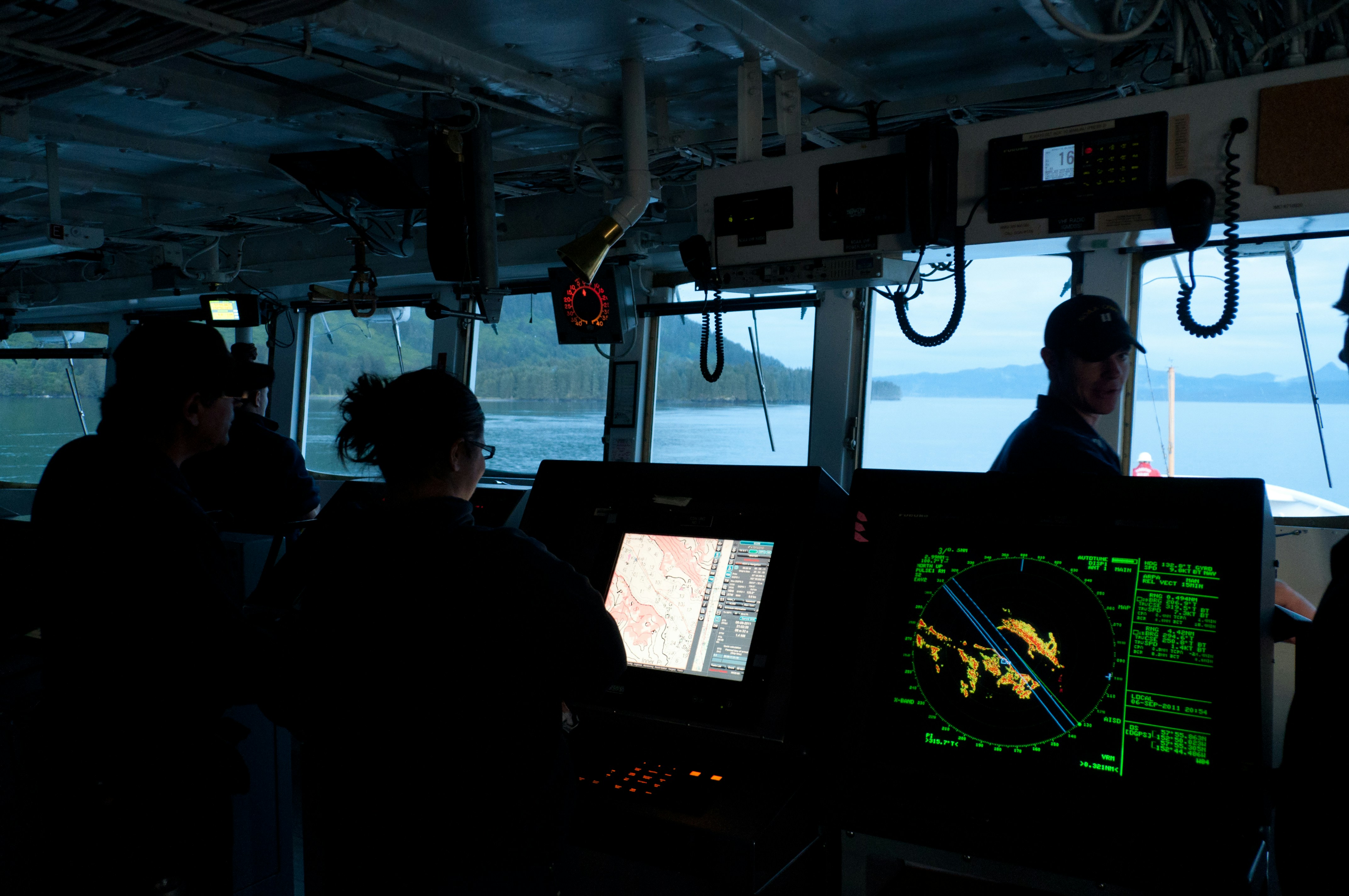
Integrating vessel tracking, port data, fisheries information, and coastal observation into a single operational picture.
Coastal Surveillance Strategy
Designing surveillance strategies matched to the client state’s coastline, threat profile, and the assets and institutions it actually has.
Port Security Assessment
Assessment of port security, including cargo integrity, access control, exposure to sanctions and fee evasion, and smuggling.
Maritime Threat Response Strategy
Prioritized strategy to protect against trafficking, illegal fishing, piracy, and armed robbery at sea.
Offshore & Coastal Infrastructure Protection
Protection strategies for offshore energy platforms, subsea assets, and the coastal infrastructure national economies depend on.
Regional Maritime Cooperation
Developing frameworks through which neighboring coastal states can address shared maritime threats, while each retains sovereign control.
How our proprietary AI model is deployed
Our AI model tracks dark-fleet behavior, suspicious trans-shipments, illegal fishing patterns, and anomalous approaches toward ports and offshore infrastructure. It then conducts pattern analysis to turn vessel-tracking, port, and fisheries data into a manageable set of assessed alerts.
The platform is transferred to the client’s own institutions under the Build-Operate-Transfer model so the state runs its own maritime analysis. LFA remains in a maintenance and advisory capacity.
Engagement models
We offer clients a range of engagement models to suit their national or institutional capacity and needs.
Retainer Advisory
Ongoing, principal-level counsel under a fixed retainer, with defined deliverables and continuous engagement on the client’s priority questions.
Project-Based Engagement
Scoped engagements with defined timelines for specific assessments, strategies, or analytical products.
Rapid-Response Advisory
Crisis and conflict counsel delivering rapid analysis to governments and institutions facing emergent threats or disputes.
Program-Level Advisory
Multi-year, multi-workstream programs that integrate several capabilities around a sustained sovereign objective.
Advisory Panel / On-Call
Standing access to LFA’s senior advisors for episodic counsel, briefings, and decision support as the client’s needs arise.
Build-Operate-Transfer (BOT)
LFA builds the AI platform, operates it with the client while their analysts learn it, then transfers full control and ownership. The client owns the capability while LFA services and updates it. This engagement model is conducted under full U.S. export authorization.