Maritime & Logistics
Coastlines, ports, and shipping lanes are where security and economics meet.
Read moreUnderstanding your sector.
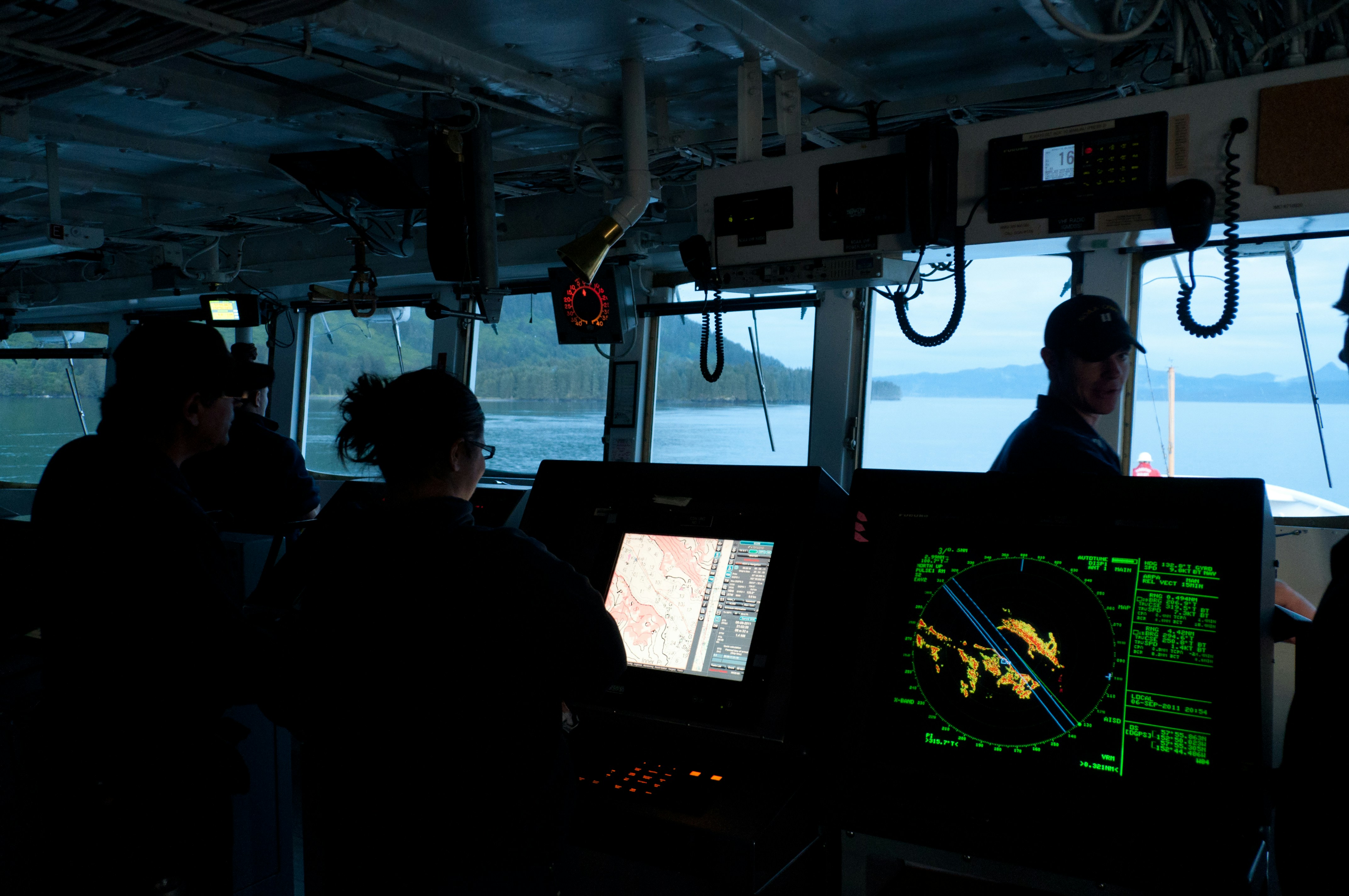
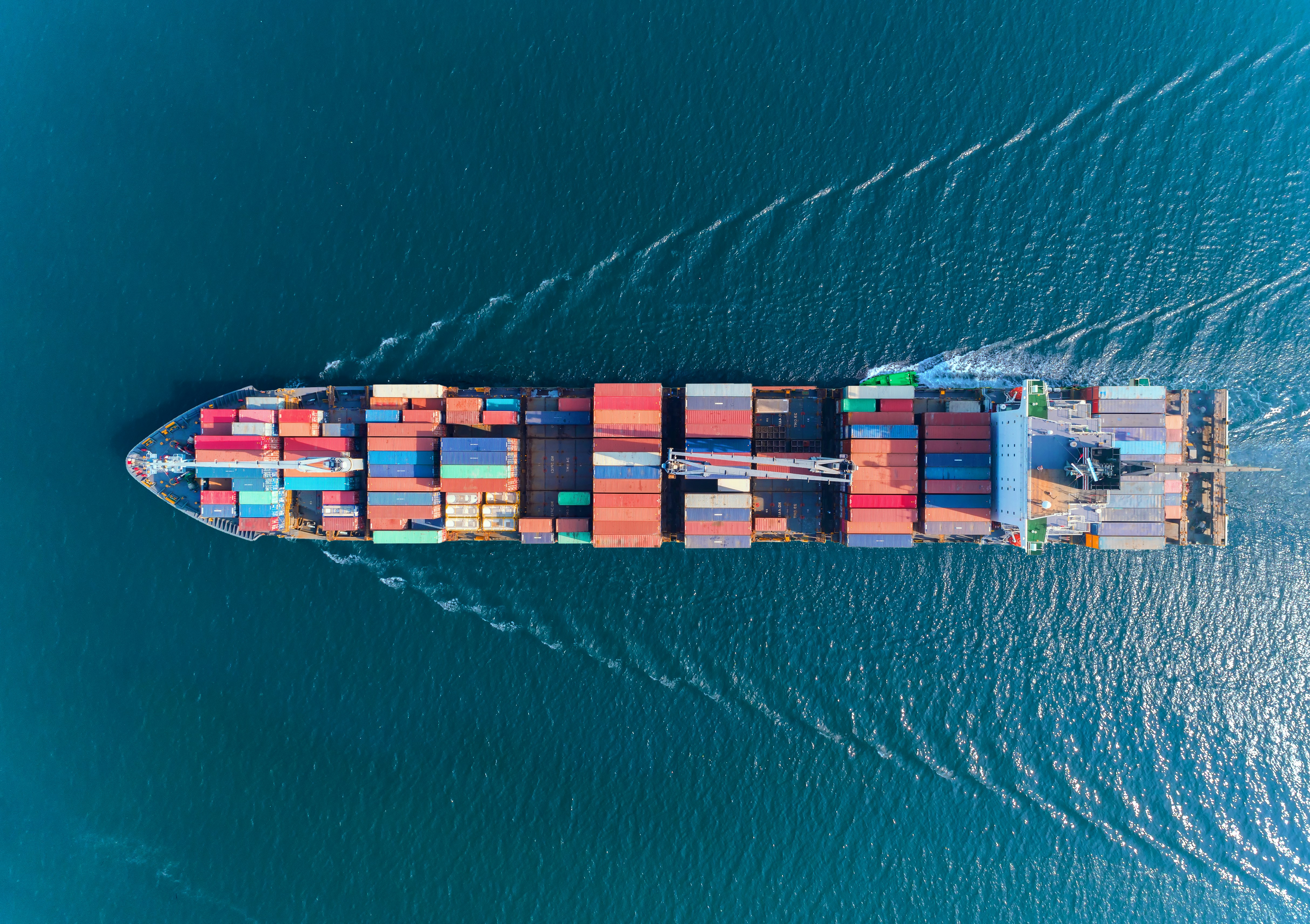
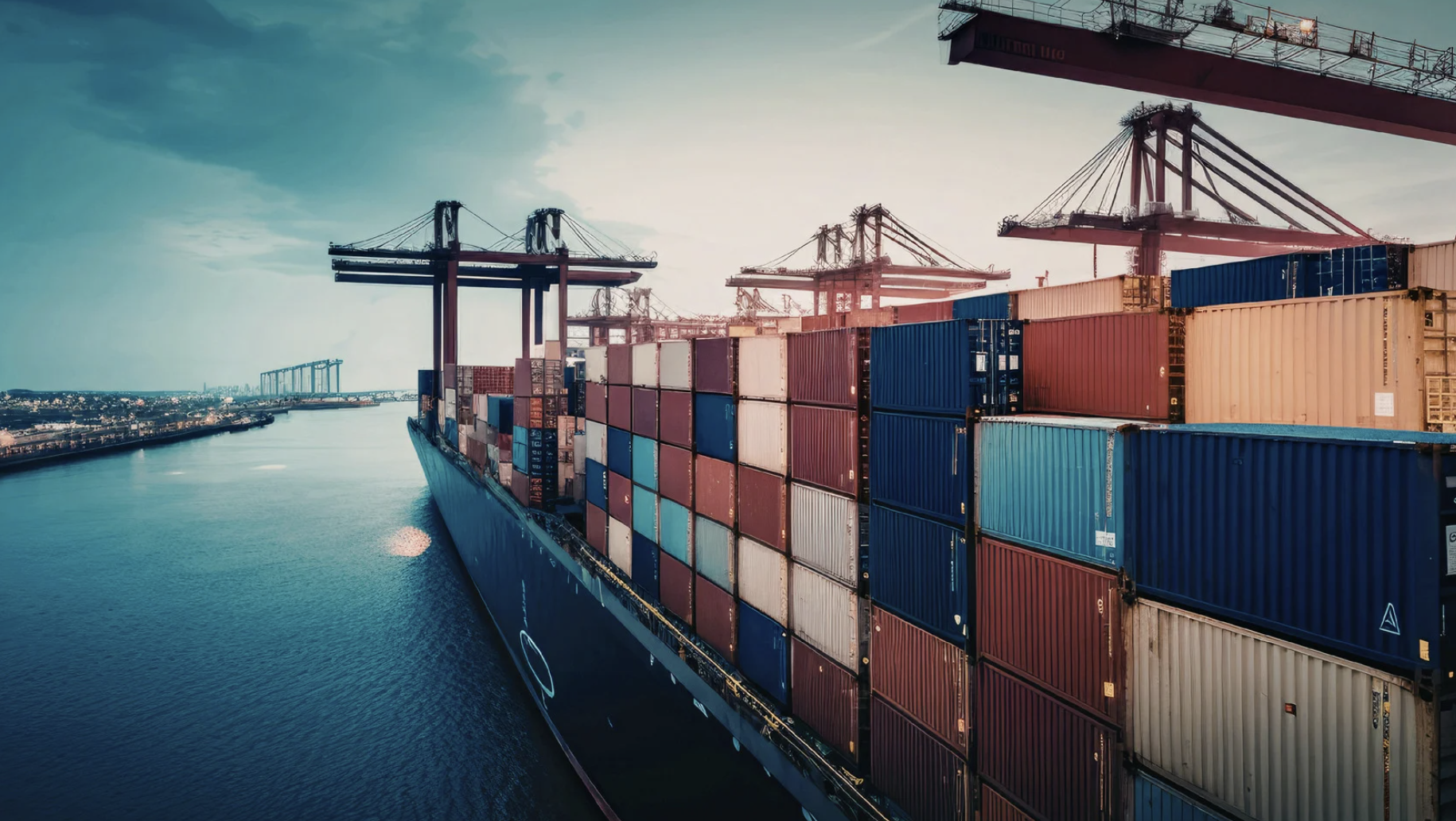
Coastlines, ports, and shipping lanes are where security and economics meet. A state’s maritime domain is a source of trade, resources, and national revenue, but it is also vulnerable to trafficking, illegal fishing, organized crime, and threats to offshore and coastal infrastructure. As geopolitical competition intensifies, protecting maritime assets and the corridors that connect them has become a strategic priority.
In detail
Governments and international organizations must understand not only what is happening across their maritime domain, but who influences it. The resilience of ports, logistics networks, and supply chains is shaped as much by stakeholder interests, institutional capacity, and informal power structures as by physical infrastructure. Understanding these dynamics is essential to securing trade routes, protecting national interests, and maintaining operational continuity.
Coastlines, ports, and shipping lanes are where security and economics meet.
The LFA premise
How LFA can help.
We work with governments and their defense ministries and port authorities, and international organizations to strengthen maritime security and the resilience of logistics networks. Our work supports maritime domain awareness, coastal surveillance, port security, threat response, and the protection of offshore assets, while extending inland to the logistics corridors that keep goods moving through complex operating environments.
In detail
Through AI-enabled data collection and experienced human analysts, we identify the actors, relationships, and incentives that influence security, trade, and operational decision-making. We help clients understand where vulnerabilities exist, who controls critical chokepoints, and how political, commercial, and criminal interests shape maritime and logistics environments.
In practice
Our analysts interpret our AI-gathered intelligence through behavioral science and group dynamics to reveal the motivations, institutional pressures, and informal networks that conventional analysis often overlooks. This enables clients to strengthen maritime governance, improve supply chain resilience, modernize customs and logistics systems, and make better-informed decisions to protect strategic infrastructure, trade routes, and national sovereignty.