
Understanding your sector.
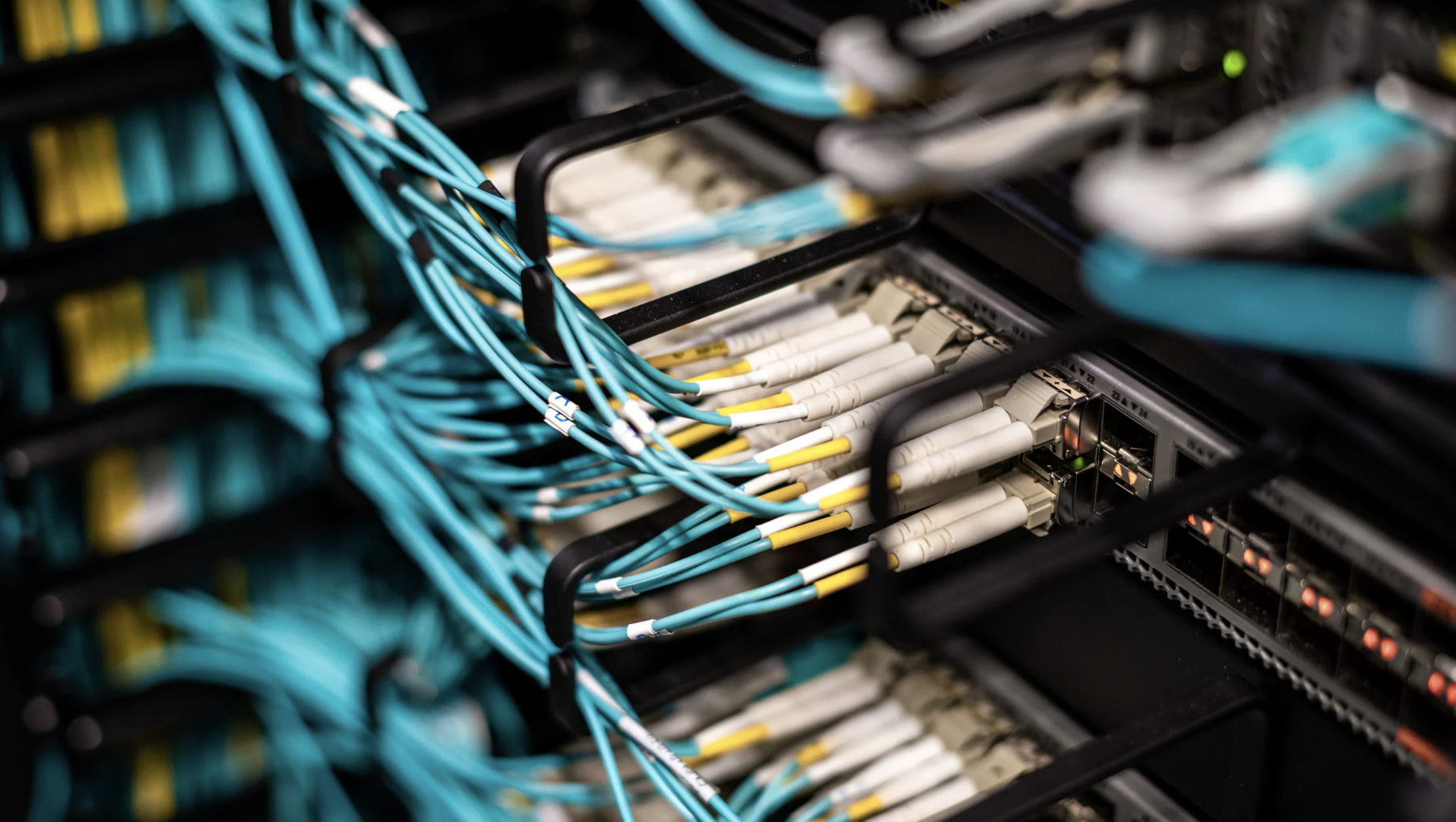
Communications networks are critical national infrastructure. Decisions about who builds, owns, and maintains them have implications for sovereignty, economic resilience, and national security. Foreign technology vendors, ownership structures, and long-term maintenance arrangements can all create dependencies that extend well beyond the technical performance of a network.
In detail
Governments must balance the need for investment and innovation with the need to maintain trusted communications infrastructure. Understanding where influence resides, how technology partnerships are structured, and where strategic vulnerabilities exist is essential to protecting national control and building resilient digital networks.
Communications networks are critical national infrastructure.
The LFA premise
How LFA can help.
Our work with governments, regulators, and critical infrastructure stakeholders is aimed at assessing the strategic risks surrounding telecommunications and digital networks. We perform cyber-physical resilience assessments, foreign technology vendor due diligence, and analyze ownership, control, and dependency across communications infrastructure.

In detail
We identify the relationships, incentives, and influence networks that shape investment decisions, regulatory outcomes, and strategic technology partnerships. We assess not only the technical architecture of critical networks, but also the political and commercial dynamics that determine who ultimately controls them.
In practice
By decoding the human factor behind communications infrastructure, we help clients identify vulnerabilities before they are exploited, evaluate technology partnerships, and strengthen the resilience of the digital backbone on which governments, economies, and critical services depend. The result is a clearer understanding of where strategic exposure exists and how national control can be protected over the long term.